
Over 60 percent of employees now say flexibility at work is a top priority, not just a nice-to-have benefit. As the demand for adaptable schedules grows, misunderstandings about what workplace flexibility really means continue to spread. Clearing up these misconceptions is crucial for both companies and workers who want fair policies and better results. This article breaks down the real advantages, common myths, and practical solutions behind successful workplace flexibility.
Table of Contents
- Workplace Flexibility Benefits Defined and Debunked
- Major Types of Workplace Flexibility Programs
- Key Advantages for Businesses and Employees
- Implementation Challenges and Compliance Needs
- Risks, Limitations, and Cost Considerations
Key Takeaways
| Point | Details |
|---|---|
| Comprehensive Definition | Workplace flexibility includes various arrangements beyond remote work, emphasizing employee control over work conditions. |
| Significant Benefits | Workplace flexibility enhances employee satisfaction, work-life balance, and talent retention, while also improving organizational efficiency. |
| Implementation Challenges | Effective deployment requires addressing misaligned expectations, performance measurement inconsistencies, and compliance with legal frameworks. |
| Risk Management | Organizations must consider risks like reduced collaboration and financial implications tied to technology and training when adopting flexible work models. |
Workplace Flexibility Benefits Defined and Debunked
Workplace flexibility represents more than just working from home. According to Oxford Academic, it encompasses formal and informal agreements allowing employees unprecedented control over work timing, location, and continuity. This comprehensive approach enables professionals to harmonize professional responsibilities with personal needs.
Common misconceptions about workplace flexibility persist, often creating unnecessary barriers to implementation. Mother.ly highlights several critical myths that require debunking. These include unfounded beliefs that flexible work arrangements automatically reduce productivity or are exclusively about remote work.
Key workplace flexibility benefits include:
- Enhanced employee satisfaction
- Improved work-life balance
- Reduced organizational overhead costs
- Greater talent retention
- Increased individual productivity
Successful workplace flexibility requires strategic planning and clear communication. Organizations must establish transparent guidelines, set performance expectations, and invest in technological infrastructure that supports distributed work models. By addressing potential challenges proactively, businesses can transform flexibility from a theoretical concept into a practical, value-generating strategy.

Major Types of Workplace Flexibility Programs
Workplace flexibility programs have evolved dramatically in recent years, offering organizations multiple approaches to support employee needs and productivity. University of Iowa highlights several key types of flexible work arrangements that have gained significant traction across industries.
Three primary categories of workplace flexibility emerge as most prominent:
1. Location-Based Flexibility
- Remote Work: Full-time home or satellite office arrangements
- Hybrid Models: Combination of in-office and remote work
- Satellite Office Options: Working from decentralized company locations
2. Time-Based Flexibility
- Compressed Workweeks: Working full hours in fewer days
- Flexible Hours: Adjustable start and end times
- Part-Time Arrangements: Reduced hour schedules
3. Schedule Flexibility
- Job Sharing: Multiple employees splitting one full-time role
- Intermittent Flexibility: Periodic adjustments for personal needs
- Project-Based Scheduling: Work hours aligned with specific project demands
Successful implementation requires robust communication infrastructure, clear performance metrics, and mutual trust between employers and employees. Organizations must design flexibility programs that balance individual preferences with overall business objectives, creating win-win scenarios that enhance productivity and employee satisfaction.
Key Advantages for Businesses and Employees
Workplace flexibility represents a strategic approach that delivers significant benefits for both organizations and their workforce. arXiv Research reveals that flexible working arrangements are more than just a perk they’re a critical component of modern business management, substantially enhancing employee motivation and organizational performance.
For employees, the advantages are profound and multifaceted. arXiv Research demonstrates that access to flexible working hours and locations indirectly improves job performance by dramatically enhancing overall employee well-being. This translates into tangible benefits such as:
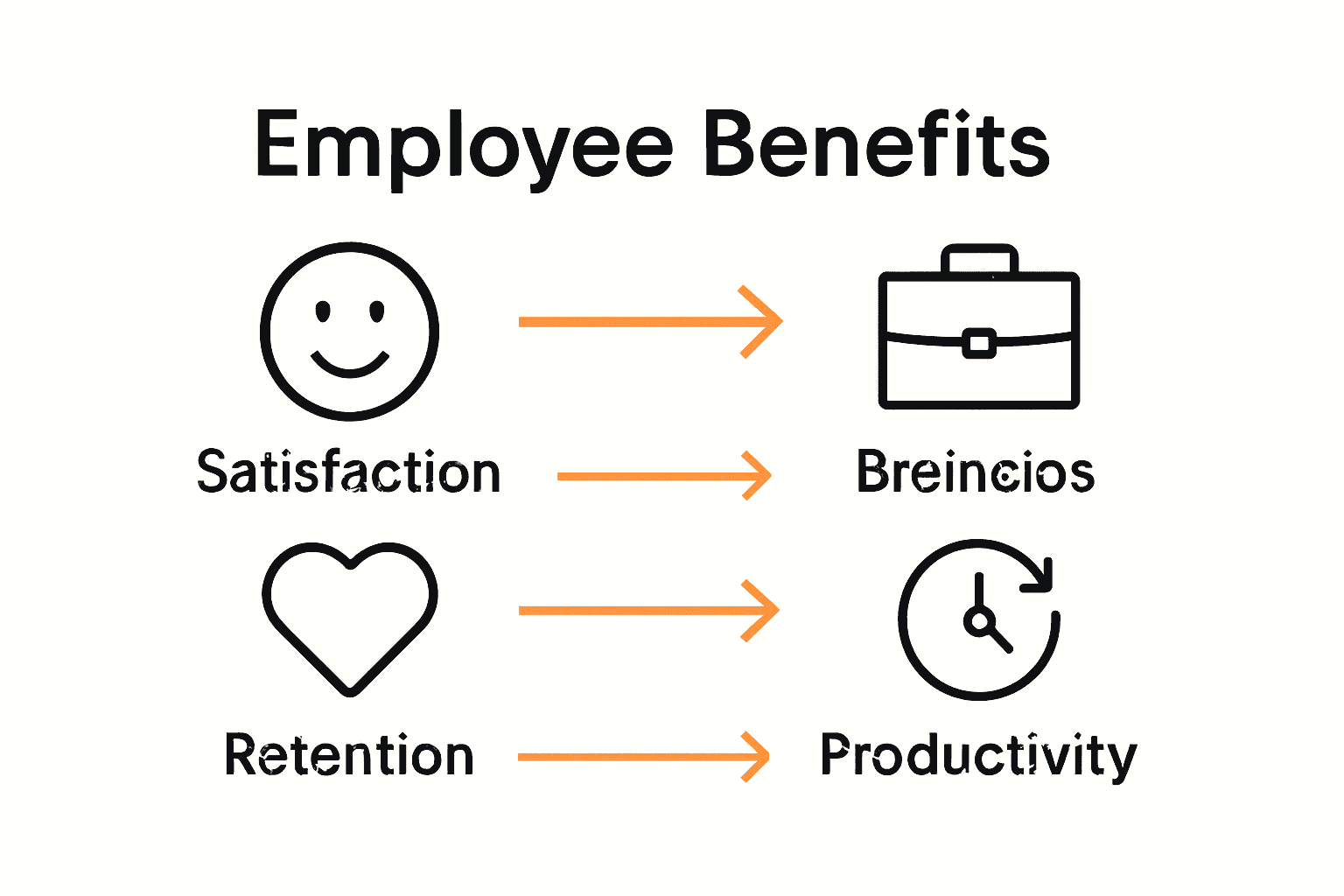
- Reduced stress and improved mental health
- Better work-life integration
- Increased personal autonomy
- Enhanced job satisfaction
- Improved productivity
Businesses implementing flexible work models experience equally compelling advantages. Organizations that embrace these strategies typically see significant improvements in talent attraction, retention, and operational efficiency.
The ability to offer flexible arrangements becomes a powerful differentiator in competitive job markets, enabling companies to attract top-tier talent who value adaptive work environments.
With hybrid work best practices, companies can strategically design flexibility programs that balance individual needs with organizational goals. By focusing on clear communication, robust performance metrics, and technological infrastructure, businesses transform workplace flexibility from a theoretical concept into a practical, value-generating strategy that benefits everyone involved.
Implementation Challenges and Compliance Needs
Workplace flexibility implementation is far more complex than simply allowing employees to work remotely. Oxford Academic highlights the nuanced challenges organizations face when developing flexible work strategies, emphasizing the critical need for comprehensive, thoughtful approaches that balance multiple stakeholder perspectives.
Key Implementation Challenges
According to arXiv Research, organizations encounter significant hurdles when transitioning to flexible work models across 12 different countries. The most prominent challenges include:
- Misaligned expectations between managers and employees
- Inconsistent performance measurement techniques
- Technology and infrastructure gaps
- Communication barrier management
- Legal and regulatory compliance complexities
Compliance Considerations
Successful workplace flexibility requires meticulous attention to legal and regulatory frameworks. Organizations must develop robust policies that address:
- Equal treatment across different work arrangements
- Data privacy and security protocols
- Overtime and compensation guidelines
- Health and safety responsibilities
- Anti-discrimination provisions
Navigating these challenges demands a strategic, holistic approach. Hybrid work best practices suggest creating flexible frameworks that remain adaptable, transparent, and responsive to both organizational needs and employee expectations. The goal is not just implementing flexibility, but crafting a sustainable, equitable work environment that drives performance and employee satisfaction.
Risks, Limitations, and Cost Considerations
Workplace flexibility comes with a complex landscape of potential risks and financial implications that organizations must carefully navigate. Wikipedia reveals that while these arrangements can significantly reduce employee stress, some professionals hesitate to fully embrace them, fearing potential career progression limitations.
Primary Risks and Limitations
Several critical challenges emerge when implementing flexible work models:
- Reduced face-to-face collaboration
- Potential career visibility challenges
- Communication infrastructure complexities
- Performance tracking difficulties
- Technology investment requirements
Wikipedia highlights that activity-based working, while promising, can inadvertently increase email traffic and potentially diminish direct interpersonal interactions. This underscores the nuanced nature of workplace flexibility implementations.
Cost Considerations
Organizations must budget for multiple dimensions of flexible work adoption:
- Technology infrastructure upgrades
- Cybersecurity enhancement
- Remote work equipment provisions
- Training and change management
- Performance management system redesign
With hybrid work best practices, companies can strategically mitigate these risks. The key is developing a balanced approach that acknowledges potential limitations while creating adaptable, employee-centric work environments that drive both individual satisfaction and organizational performance.
Unlock True Workplace Flexibility with Streamlined Document Solutions
The Complete Guide to Workplace Flexibility Benefits highlights challenges like communication gaps, technology limitations, and the need for clear workflows. If your business struggles with coordinating remote teams or measuring productivity without adding complexity, integrating powerful PDF and Adobe workflow tools can ease these pain points. Empower your employees with flexible schedules and locations while maintaining seamless collaboration through reliable digital document management.

Discover how Mapsoft.com can transform your workplace flexibility efforts with advanced PDF handling, automation, and Adobe platform enhancements. Our solutions help you automate repetitive tasks, secure sensitive files, and optimize document processes so you can focus on what matters most. Don’t let outdated document workflows hold back your flexible work strategy. Visit Mapsoft now and start enhancing productivity across your hybrid teams today.
Frequently Asked Questions
What are the main benefits of workplace flexibility for employees?
Workplace flexibility improves employee satisfaction, enhances work-life balance, reduces stress, increases personal autonomy, and boosts overall job performance and productivity.
How can organizations successfully implement workplace flexibility programs?
Successful implementation requires strategic planning, clear communication, establishing performance expectations, and investing in technology that supports flexible work arrangements.
What challenges do companies face when adopting workplace flexibility?
Organizations may encounter challenges such as misaligned expectations between managers and employees, inconsistent performance measurement techniques, gaps in technology infrastructure, and compliance with legal regulations.
What types of workplace flexibility arrangements are available?
Common types of flexibility arrangements include location-based flexibility (remote and hybrid work), time-based flexibility (compressed workweeks and flexible hours), and schedule flexibility (job sharing and project-based scheduling).